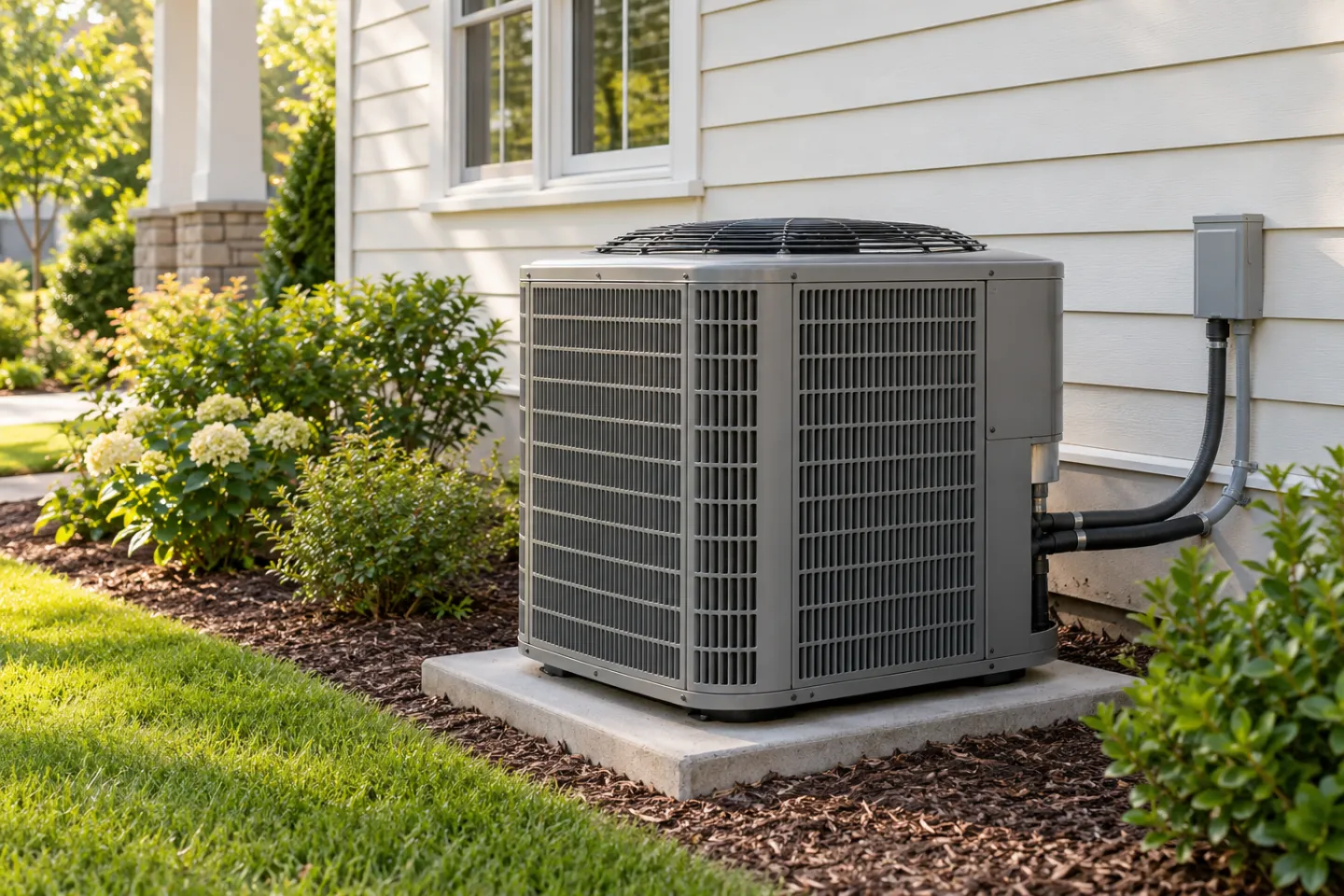
For an AC repair conversation
Bring the symptom, not a guessed part.
- Note whether the loss of cooling affects the whole home, one room or a particular time of day.
- Ask about the diagnostic charge and how additional work is approved.
- Request the finding, the repair scope and the concern that might remain.
AC repair starts with a clear diagnosis
When central air conditioning stops keeping the house comfortable, the first useful answer is what has changed and why. Warm air, weak airflow and a system that will not start can point to different problems. A technician’s diagnosis should connect the symptoms to the recommended repair, rather than treating a symptom as proof that the whole system needs replacement.
Prepare a short description of the issue, ask about the diagnostic visit and request a written scope before authorizing work. This page focuses on residential central AC repair. If you have a different equipment type, identify it when arranging service so the provider can confirm that it handles your system.
If you notice ice, use the freezing-up observation checklist. For water near the indoor unit, record its location and timing using the indoor leak guide. Keep those details with the diagnostic request.
Cooling problems worth reporting
You do not need to identify a failed component before calling. These observations help explain what the system is doing without opening panels, testing electrical parts or handling refrigerant.
| What you notice | What to report | A useful question |
|---|---|---|
| AC runs, but air feels warm | When cooling changed; whether the problem affects every room. | Which findings explain the loss of cooling? |
| Little air from the vents | Whether airflow changed suddenly or gradually; recent filter work. | Will the diagnosis include airflow and the indoor equipment? |
| Ice on accessible equipment | Where you saw ice and when; avoid chipping it off. | What caused the freezing, and how will recurrence be addressed? |
| Water near the indoor unit | Where water appears; any visible damage or display message. | Is the drain involved, and what else needs inspection? |
| System will not start | Thermostat display, requested mode and any recent power interruption. | Is the problem in the controls, power or equipment? |
| New noise or repeated cycling | Where the sound occurs and whether it follows startup or shutdown. | What testing supports the recommended repair? |
Carrier’s cooling troubleshooting guidance describes several possible causes of poor cooling, including settings, airflow and equipment issues. The same visible symptom can have more than one explanation; use observations to prepare for a visit, not to choose parts yourself.
Safe preparation before a service visit
If there is no emergency warning and the area is safe to access, confirm that the thermostat is requesting cooling and note its displayed temperature. Review the owner’s manual for routine filter care. Record when the trouble began and whether a recent change, such as filter replacement, a power outage or other work, happened at the same time.
For visible ice or abnormal operation, follow the equipment manual’s shutdown guidance and contact a qualified technician. Do not remove service panels, disconnect wiring, force a frozen part free or attempt to add refrigerant. If an area is wet, avoid electrical equipment and make that condition clear when arranging the visit.
An emergency takes priority
For a gas smell or carbon monoxide alarm, leave the home immediately and call 911 from a safe location outside. For a suspected gas leak, also notify the gas utility. Do not wait for an AC appointment or use a phone or switches inside.
What to ask about the diagnostic visit
Confirm the business name, service at your exact address and the equipment it handles. Ask whether there is a diagnostic fee, what the fee covers and whether it is credited toward an approved repair. Clarify the scheduling window, after-hours charges and whether someone authorized to approve the work must be present.
After inspection, ask for a plain-language explanation of the findings. A useful diagnosis separates the failed item from conditions that contributed to the problem. For example, a proposal should explain whether the work only restores operation or also addresses another issue found during testing. The answer will depend on the equipment and condition; not every service visit needs the same tests.
- What was inspected or measured, and what did it show?
- What work is needed now, and what is an optional recommendation?
- What parts and labor are included in the quoted price?
- What would happen if additional problems are found?
- What checks will confirm that the system operates correctly afterward?
Understand the repair price and warranty
A meaningful repair price describes the work, not just a component name. Ask whether the proposal includes parts, labor, diagnostic charges and any additional work that depends on the inspection. If a charge is provisional, ask what determines it and how you will approve a change. Keep the written estimate and invoice together.
Parts coverage and labor coverage can be different. Ask whether the equipment has an existing manufacturer warranty and who will check eligibility. Clarify the repair warranty’s duration, exclusions and contact for a return visit. Do not assume that a manufacturer parts warranty covers the technician’s labor or the entire service bill.
Refrigerant work deserves a clear explanation. Ask which refrigerant the equipment uses and how the proposed work addresses the diagnosed issue. For older R-22 systems, consult the EPA homeowner fact sheet and discuss service options with the technician. Avoid decisions based on an unsupported claim that every older unit must immediately be replaced.
When to compare repair with replacement
A single breakdown does not automatically settle the decision. Compare the diagnosis, parts availability, repair history and concerns that would remain afterward with a complete installation proposal. Repeated repairs or a substantial recommendation are good reasons to ask for another written opinion when the explanation is unclear.
If comfort problems existed before the breakdown, describe them separately. Replacing an outdoor unit alone does not establish that a room-by-room comfort complaint will be solved. Ask how the repair or replacement recommendation addresses the actual problem.
Compare repair and replacement decisions or review what belongs in an AC replacement estimate.
Have these details ready
- Service address, ZIP code and the best way to reach you.
- Whether the system serves the whole home or a particular area.
- Approximate equipment age and a safely accessible model label, if available.
- Symptoms, when they began, and any visible display message.
- Previous repair invoices or warranty documents.
- Access arrangements and who can approve the work; renters should coordinate with the property owner.
You can arrange a visit without knowing every detail. Explain what you know and let the provider confirm what else is needed. Do not enter an unsafe or difficult-to-access equipment area just to find a model number.
(877) 803-4250Turn the recommendation into a usable decision
Compare the written scope
A repair quote should explain the finding.
Too vague: “AC repair, parts included”
A useful format: “The diagnosed fault is [finding]. The proposed work is [repair], with [parts/labor] included. The price assumes [conditions]. Any additional work needs approval. Afterward, we will check [operation relevant to the fault].”
This is an illustrative scope format, not a diagnosis or promise of a particular test. Ask the technician to fill it with the actual findings and explain any remaining uncertainty. A quoted component name alone does not show why the home stopped cooling.
For a system running without useful cooling, read warm-air observations. For an isolated hot room, use the comfort assessment worksheet; a longstanding distribution issue may need a separate scope. Keep the visit preparation record ready.
Where the address changes the next step
Georgetown’s cooling and utility territory resource and Cocoa’s city/county checks illustrate why equipment and exact address should stay in the same service request.
Use the local HVAC resource directory for the researched cities. Verify the property, account and current requirements before applying one city’s guidance to another address.
AC repair questions
Does warm air mean the compressor has failed?
No. A loss of cooling has several possible causes. Ask for the diagnostic findings before accepting a compressor replacement or a recommendation for a new system.
Should I keep restarting an AC that shuts down?
Avoid repeated attempts to restart abnormal equipment. Follow the owner’s manual and report the shutdown pattern. A safety or control problem may need professional assessment.
Is a refrigerant refill a complete repair?
Ask what the diagnosis found and whether the quoted work addresses the reason for the refrigerant issue. The appropriate work depends on the system; a refill alone does not explain the cause.
Can I get an exact repair quote without an inspection?
You can ask about visit fees and pricing terms in advance. A final repair scope may require inspection because similar symptoms can have different causes.
References for this guidance
ENERGY STAR maintenance checklist · Carrier cooling troubleshooting · EPA R-22 homeowner information. These sources support general equipment guidance; your system needs its own assessment.