Start with the problem
Furnace or AC repair in Longmont: prepare for the right visit
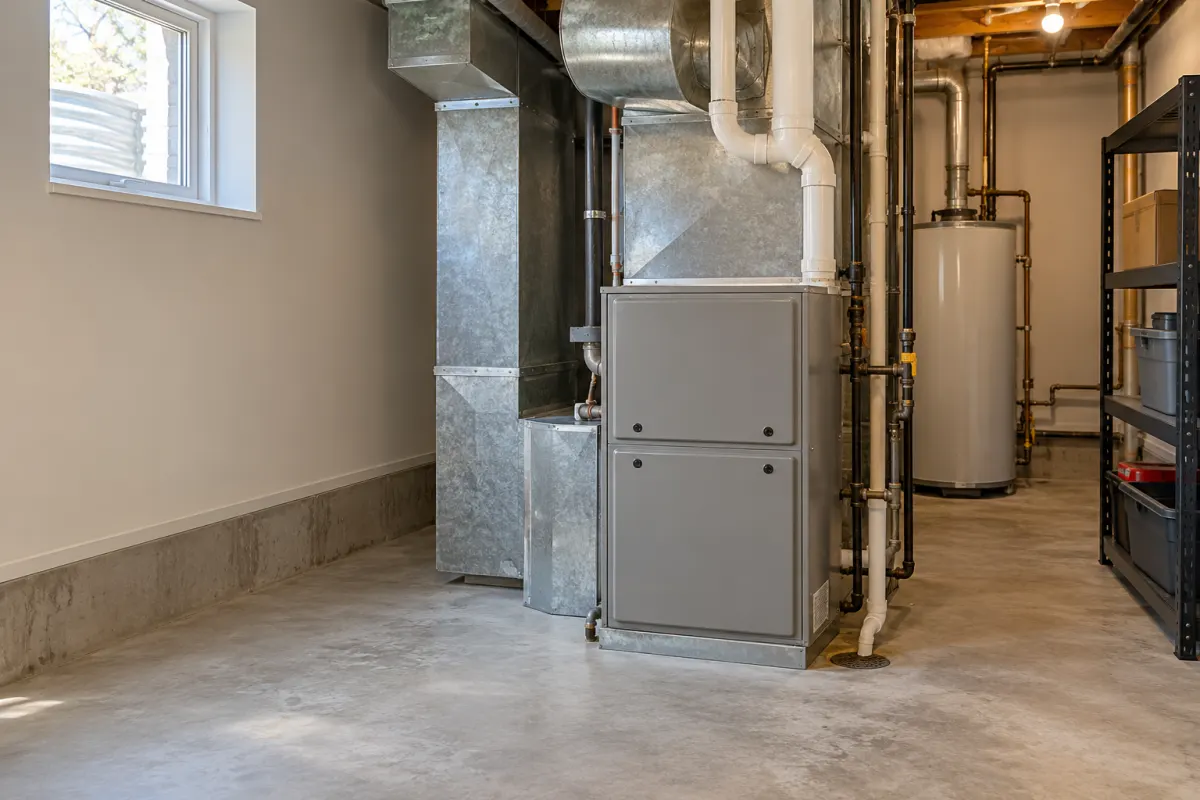
A home that loses heat needs a different service conversation from one with an AC that runs but will not cool. Identify the installed system before arranging help: a furnace, boiler and heat pump are not interchangeable descriptions. If you know the fuel and model, share them; if you do not, describe the equipment without opening it. Tell the provider whether every room is affected or one area has become uncomfortable.
For a no-heat call, report when the heating cycle last worked, what the thermostat displays and any message visible from outside the cabinet. Avoid repeated resets. A diagnostic visit should explain the cause of the shutdown and whether the equipment can safely operate. Review furnace repair preparation for the questions to ask about fees, parts and a documented finding.
A gas odor, carbon monoxide alarm or hazardous electrical condition takes priority over scheduling. Follow the emergency guidance before comparing repair options. Do not investigate a suspected leak or enter an unsafe equipment area to find a model label.
Before you approve a quote
A Longmont quote needs three separate address checks.
Keep the equipment decision, utility eligibility and permitting together in your project notes. A mailing city cannot answer all three.
01 / Match the work to the system
For a winter no-heat problem, request a defined furnace diagnosis; for lost summer cooling, use central-AC repair guidance. Write down any room that was uncomfortable before the breakdown so it remains part of the assessment.
02 / Check the electric bill before the offer
Use the LPC territory and account checks below. If an Efficiency Works measure concerns a heat pump or thermostat, have the estimate explain why it applies to your proposed equipment. Keep the full installed total visible while eligibility is unresolved.
03 / Name the issuing office
Ask the installer to record whether the property falls within the Longmont or outlying jurisdiction process. For replacement, keep applications, trade work and inspection completion in the written scope; an LPC account is not itself a city-limit determination.
Two seasons to plan for
Winter reliability and summer cooling need separate checks
Longmont’s Front Range setting makes heating reliability a practical planning priority, while central AC still needs attention before warm-season use. The National Weather Service Denver/Boulder climate resources describe regional winter cold and summer warmth. Denver-area records are regional context, not temperature measurements for your Longmont property or a sizing calculation.
Before a cold spell, keep the furnace service history and warranty information accessible. If a contractor reports a substantial fault, ask about safe operation and parts availability before deciding whether a repair can be planned or needs immediate attention. Do not translate a normal seasonal temperature into a promise that the equipment is adequate for your house.
For cooling, distinguish an occasional warm room from a sudden system-wide loss of performance. Note the time of day, affected rooms and whether the behavior follows a thermostat change. These details help separate a repair visit from a broader comfort assessment. A house addition, changed insulation or another property alteration belongs in a replacement discussion even when the old equipment once worked well.
Local utility check
A Longmont mailing address does not identify the electric account
Longmont Power & Communications’ service map shows its electric territory alongside other providers. LPC serves Longmont and some surrounding areas; postal geography alone is insufficient to establish the utility. Start with the current bill and locate the property on the map before interpreting an incentive.
| Before asking about a program | What to verify |
|---|---|
| Electric customer | The utility on the account, not simply the city printed in the mailing address. |
| Installed heating system | Fuel and equipment type; an electric program is not automatically a gas-furnace offer. |
| Proposed project | Whether the listed measure is the equipment, thermostat or building-envelope work you actually intend to buy. |
| Application sequence | Any assessment, approved installer or submission deadline that must be arranged before work. |
Keep the electric and gas accounts separate. The name on an electric-service map does not tell you which gas incentive, if any, applies to the furnace. If you rent, discuss account access and project authorization with the owner before promising that an incentive can be claimed.
Program distinctions
Read the Efficiency Works measure before subtracting a rebate
Efficiency Works’ residential page, checked October 5, 2026, distinguishes retail products, retrofit work and thermostat demand-response incentives. Some improvements require a participating service provider; the displayed retrofit HVAC offer concerns heat pumps. A thermostat incentive or a building-envelope measure is not evidence of a central-AC or gas-furnace replacement rebate.
If your project is central AC or a furnace, ask the administrator to identify the exact eligible measure and current account requirements. Do not carry a heat-pump amount into a furnace estimate. Have the contractor keep any optional insulation, controls or fuel-change work distinct from the equipment replacement you are comparing.
For an eligible project, obtain the application instructions and keep model numbers, invoices and any required assessment records. Verify the relevant timeline before signing; the sequence may matter as much as the equipment. Treat a proposed incentive as conditional until the administrator confirms it. This page does not assume a program pays for an ordinary furnace repair.
Repair and replacement
Compare what the work would change in your home
A furnace repair proposal should connect the failed item to the no-heat condition and identify significant concerns that would remain. A replacement proposal needs to explain sizing, fuel, venting, controls, duct connections and required site work. If certain rooms were cold before the breakdown, ask how either option addresses that complaint.
For AC repair, tell the technician about visible ice, water, airflow changes or loss of cooling without choosing a failed part yourself. A replacement quote should list the indoor and outdoor components and explain compatibility with retained equipment. Compare installation scope and operating checks, not just the condenser brand.
- Ask for the diagnosis, quoted work and conditional charges in writing.
- Separate equipment repair from an additional comfort or duct recommendation.
- Compare existing coverage with the new parts and labor warranty terms.
- If a major recommendation is unclear, seek another qualified assessment without delaying necessary safety action.
Use the repair-or-replace guide, AC replacement scope and furnace replacement scope to make the alternatives comparable.
Longmont project checks
Confirm the mechanical contractor and the permit authority
The City of Longmont’s contractor guidance states that contractors working within the city need its licensing, including HVAC subcontractors on homeowner permits. Obtain the business name and relevant license information, then verify the credential with the city rather than treating a website badge as proof.
Ask the contractor which permits and inspections the proposed repair or installation requires, who will apply and whether fees are included. A new installation, equipment replacement and a limited repair can have different scopes. Do not assume that a permit for one trade authorizes unrelated electrical or fuel work.
For a postal address outside city limits, identify the actual jurisdiction first. Boulder County, Weld County or another municipality may be relevant depending on the parcel; a Longmont label does not transfer the city’s rules to every address. When quotes disagree about permitting, ask the correct authority about the specific work and keep the answer with the proposal.
Address and access
ZIP areas covered by this local guide
80501 · 80503 · 80504
This guide focuses on these Longmont postal areas. A ZIP does not establish that a home is inside Longmont city, served by LPC or eligible for an appointment. Portions of the postal market extend beyond municipal boundaries. Use the full street address to confirm service acceptance, utility and permit jurisdiction separately.
When arranging a visit, mention equipment access, who can approve the work and any renter or association requirements. A utility bill and parcel information are useful when the mailing city leaves the jurisdiction unclear. Avoid sending passwords or complete utility-account details merely to obtain an initial HVAC quote.
Local questions
Before booking or buying
Does an 80503 or 80504 address guarantee LPC eligibility?
No. Verify the current electric bill and LPC service map for the property. Postal area, municipal boundary and utility territory answer different questions.
Can an Efficiency Works thermostat incentive cover my furnace?
The displayed thermostat and retrofit measures have different purposes. Confirm the actual equipment and eligible measure with the program; do not assume a thermostat credit pays for furnace replacement.
What should I ask when no heat leads to a replacement recommendation?
Request the finding, safe-operation advice and available repair alternative. Compare a complete furnace installation scope rather than using the equipment’s age as the only reason.
Who checks a permit outside Longmont city limits?
Identify the parcel’s jurisdiction, then consult its building authority. Ask the contractor to name the office handling the project and include that responsibility in writing.
Keep useful records
Take a clearer service request to the next conversation
Gather the address, equipment type, symptoms, invoices and questions about fees or scheduling. For replacement, add your comfort complaints and any planned property changes. Confirm actual availability with the provider at the exact address before arranging a visit.
(877) 803-4250